Genomics for Native and Emerging Crops
Many native and emerging crop species hold genetic potential that remains largely unexplored. This theme builds genomic resources for two such systems — the Australian native pepper and chia — to understand the molecular basis of the traits that make them valuable as sustainable, climate-resilient crops.
Protective but not toxic: the optimal regulation of plant defence
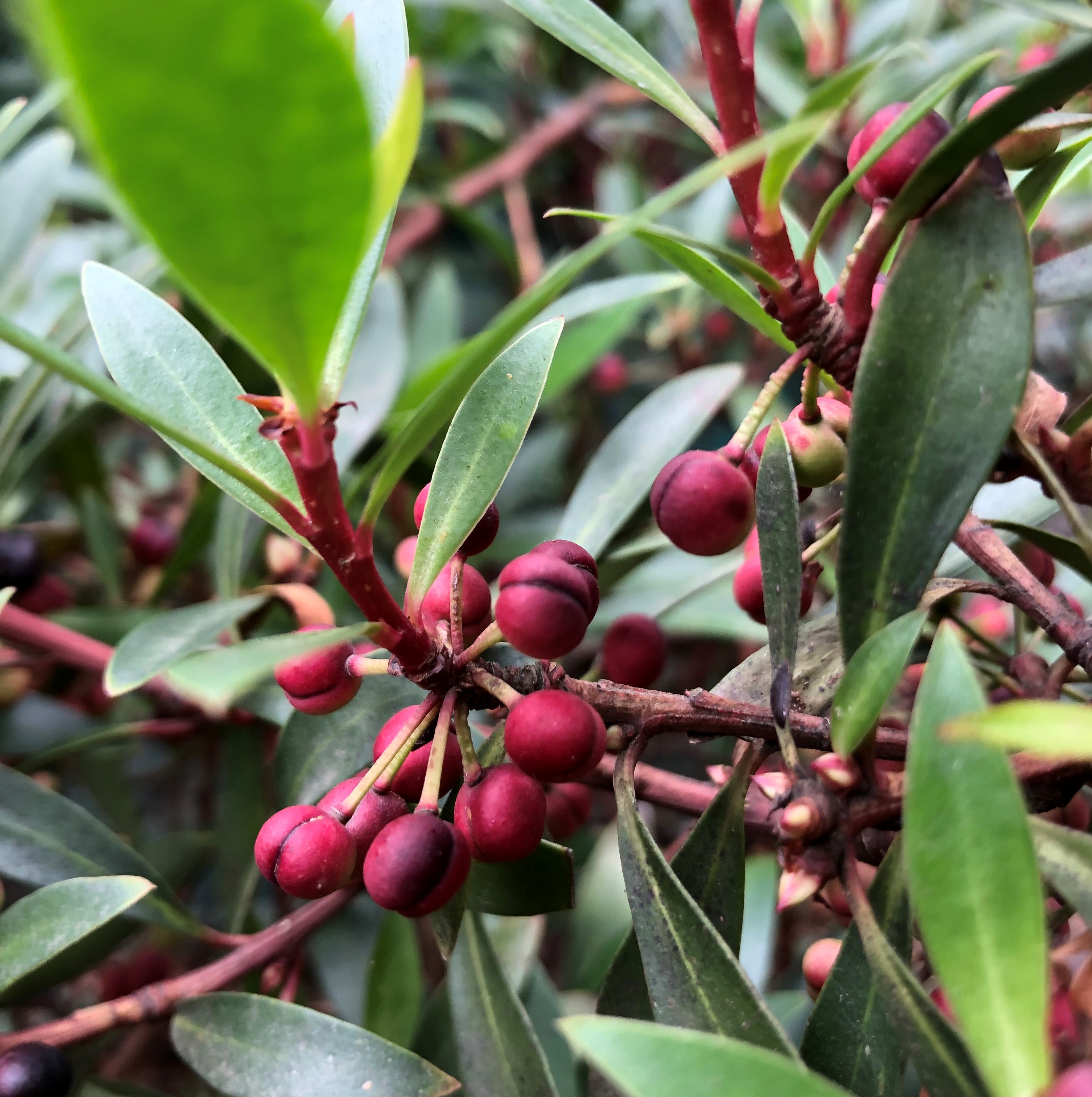
Constitutive plant defence relies on highly bioactive compounds. One such compound is polygodial, a terpenoid with extreme antifeedant and antimicrobial activities, found in remarkably high quantities in the native Australian pepper Tasmannia lanceolata (Poir.), which gives this plant its iconic flavour and high market value. Generally effective against pests and pathogens, polygodial is also toxic to the plant and to the endophytic microbes known to enhance growth. Native pepper prevents unwanted toxic effects by storing polygodial in specialised oil cells called idiocytes (or idioblasts). Disruption of idiocytes by feeding insects or pathogenic fungi triggers the release of polygodial, constituting a general defence mechanism. However, we have limited understanding of how polygodial is synthesised and stored, and how adaptive it is to the plant-microbe relationship. This can now be discovered by combining the experimental resources established by the team and the cellular resolution afforded by spatial RNA sequencing.
After sequencing its genome as part of the Genomics for Australian Plants initiative, we are exploring a new paradigm in plant defence, shifting from the resource allocation theory between growth and defence towards the novel hypothesis of a trade-off between toxification against pathogens and facilitation of beneficial endophytes. Native pepper is an illuminating model to test this hypothesis: polygodial, as the single most important defence molecule, accounting for 30% of the plant's essential oil, is highly tractable. Within the species, polygodial content greatly varies among Tasmanian clones, highlighting substantial genetic differences. Our team has shown that clones differ in susceptibility to the pathogenic fungus Phytophthora cinnamomi. However, this fungus infects root tissues, where we found polygodial concentration is very low and where we hypothesise endophytes are essential. At the individual plant level, this long-lived evergreen shrub allows probing of different organs and developmental stages non-destructively over the year. After assembling its reference genome, we are now analysing multi-tissue, multi-stage transcriptomes to get a molecular understanding of the mechanisms involved in this non-host-specific defence.
Small seed, exceptional oil: the genomics of chia's omega-3 abundance
Chia (Salvia hispanica) seeds contain unusually high concentrations of alpha-linolenic acid, a plant-based omega-3 fatty acid prized in functional foods and nutraceuticals, yet the genetic basis of this trait was poorly understood. We assembled a reference-quality genome for chia and used comparative genomic analysis to identify the genes underlying its distinctive lipid profile, revealing that tandem duplications of stearoyl-ACP desaturase genes, key enzymes in fatty acid desaturation, underlie its elevated omega-3 content (Zare et al. 2024, The Plant Genome). This resource opens the door to marker-assisted selection for even higher omega-3 chia lines, and provides a case study in how the duplication and divergence of a single enzyme family can drive the evolution of a nutritionally important trait in an emerging crop.
-
 Tania Zhang, Lab Manager
 -
 Tannaz Zare, PhD alumnus
 -
 Prof Matt Lewsey, La Trobe University
 -
 A/Prof Kara Barry, University of Tasmania
People involved
Collaborators