Adaptation of weeds to Australia
Australian agriculture has generated one of the world's most intense and sustained selection environments for weed adaptation, making it a globally significant arena for studying rapid evolution. We work across two complementary strands: developing genetic biocontrol strategies to suppress blackberry, one of south-eastern Australia's most damaging invasive plants, and understanding and predicting herbicide resistance in annual ryegrass.
Genetic biocontrol of blackberry in Southeast Australia
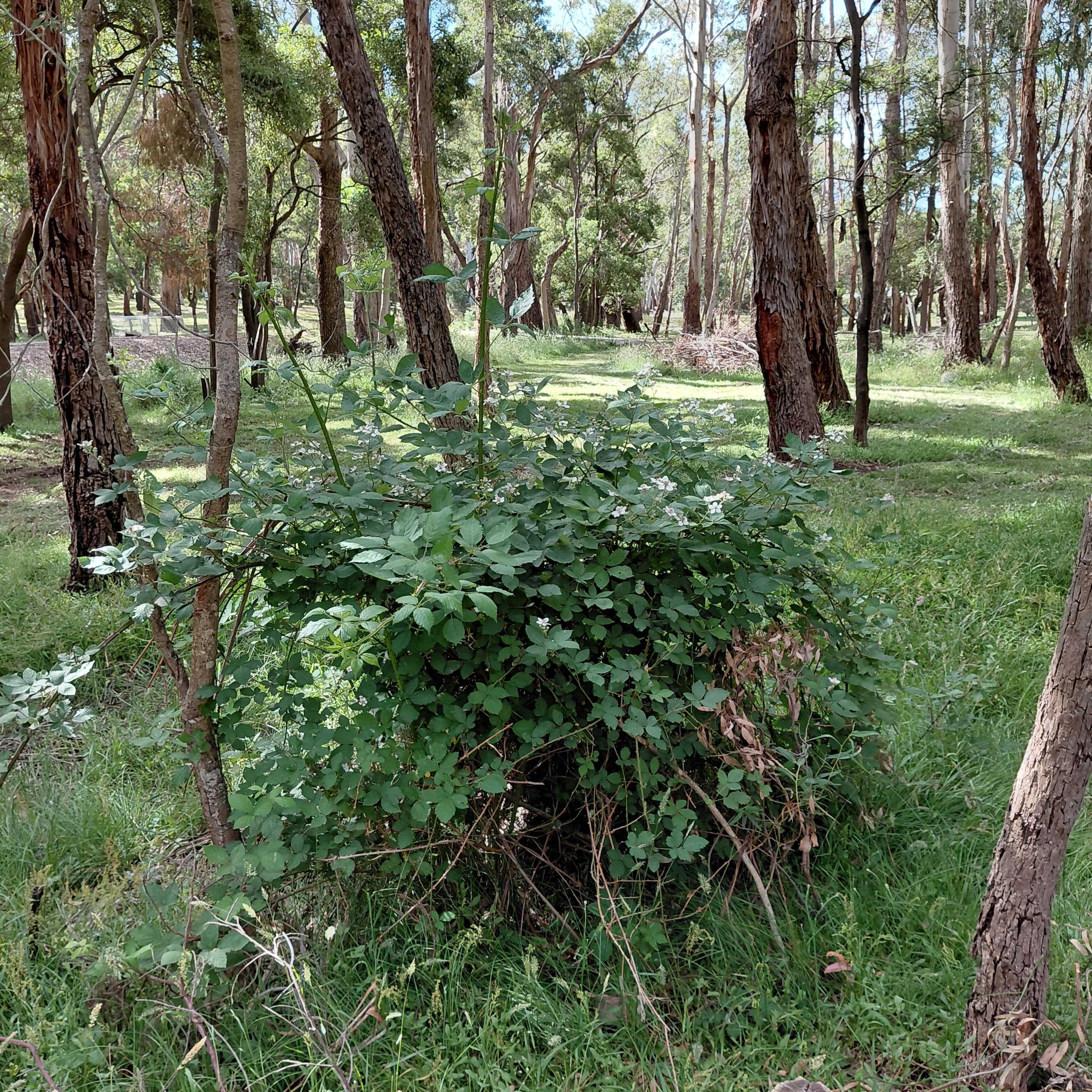
Blackberry (Rubus fruticosus agg.) is among the most damaging invasive plants in Southeast Australia, degrading productive agricultural land, displacing native vegetation, and overcoming conventional herbicide and mechanical control. Supported by the Victorian Blackberry Taskforce (VBT), we are building a population genomics resource development programme that combines landscape-scale characterisation of blackberry genetic diversity, capture of the pangenomic variation at the species complex level, and early design of genetic biocontrol strategies. Our long-term objective is to enable targeted, self-sustaining suppression of invasive populations without harming native sister species or affecting the berry industry. Santi Marin Bascunan's PhD is developing the genomic and modelling foundations needed to assess the feasibility, specificity and risk profile of any future genetic biocontrol deployment for blackberry in the Australian landscape.
WeedOmics: genomic diagnostics for herbicide resistance in ryegrass
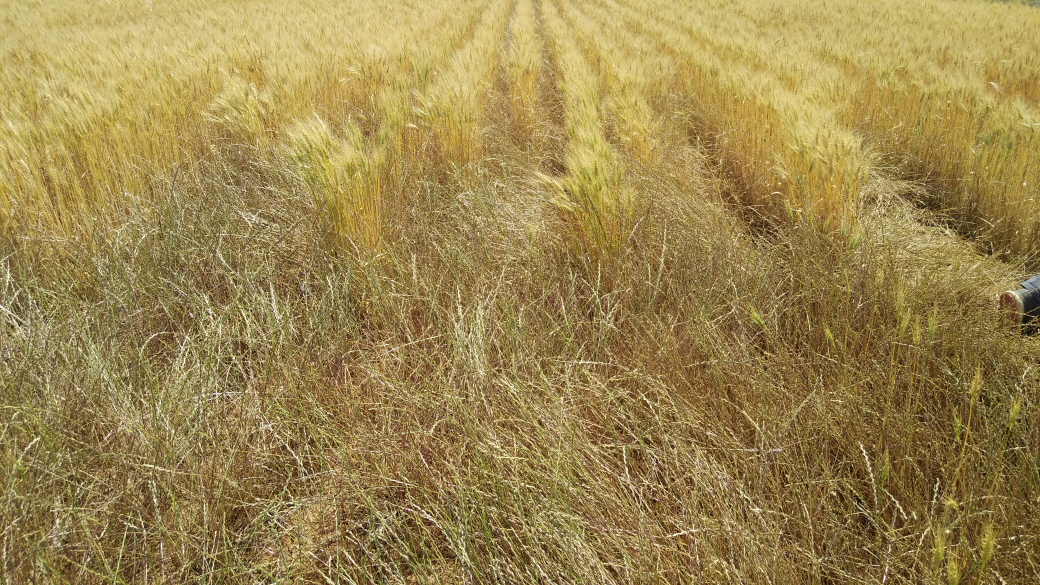
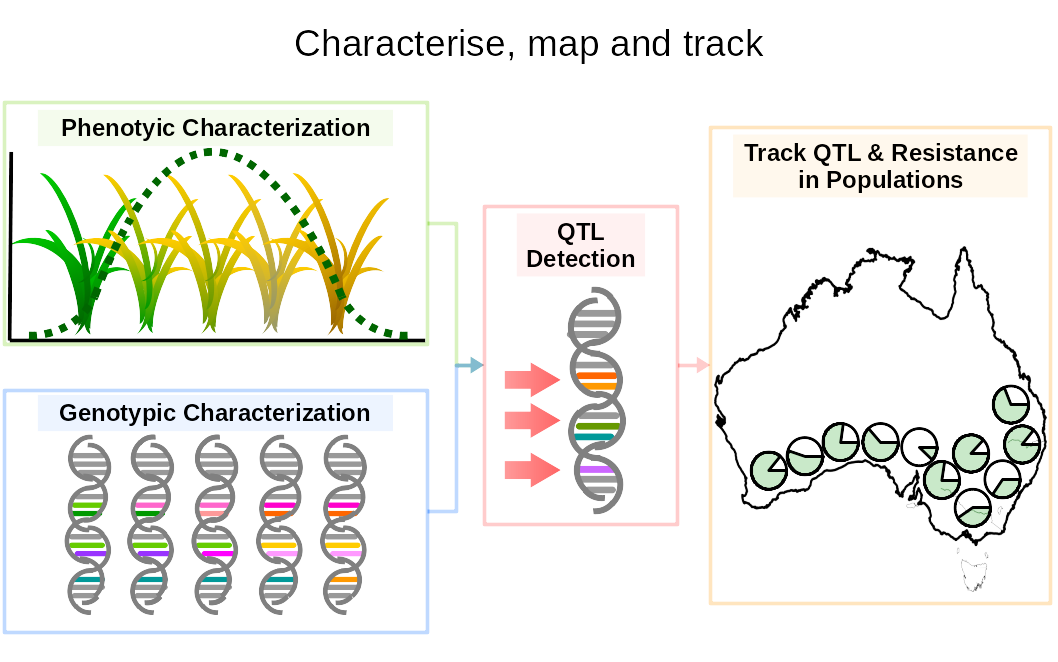
Annual ryegrass (Lolium rigidum Gaud.) is the most economically damaging weed in Australian grain cropping and one of the most herbicide-resistant plants on earth. Decades of intense chemical selection have driven the evolution of resistance through multiple concurrent molecular mechanisms, making resistance difficult to detect and manage with conventional bioassay approaches. The WeedOmics project, funded by the Department of Agriculture, Fisheries and Forestry (DAFF) and the Grains Research and Development Corporation (GRDC), develops genomic diagnostics that predict herbicide resistance directly from DNA. Our approach combines genome-wide association mapping, phenomics and machine learning to identify the full suite of resistance alleles across a large collection of characterised ryegrass populations, using pool-sequencing pipelines — including the poolgen package — to enable cost-effective, landscape-scale genotyping from bulk tissue samples. This programme contributes to the agenda of the International Weed Genomics Consortium.
As a way forward, we have explored the potential of gene drive technology to restore herbicide susceptibility in resistant ryegrass populations — in principle, by reintroducing susceptibility alleles in place of resistance ones and allowing them to spread through gene flow. Gene drives are selfish genetic elements capable of spreading a chosen allele through a population at rates that exceed standard Mendelian inheritance, offering the prospect of population-level control without repeated chemical intervention. Building on theoretical modelling and experimental genomic data developed by Ben Camm during his PhD, this work contributes to a broader risk assessment framework for gene drive deployment in agricultural weed management.
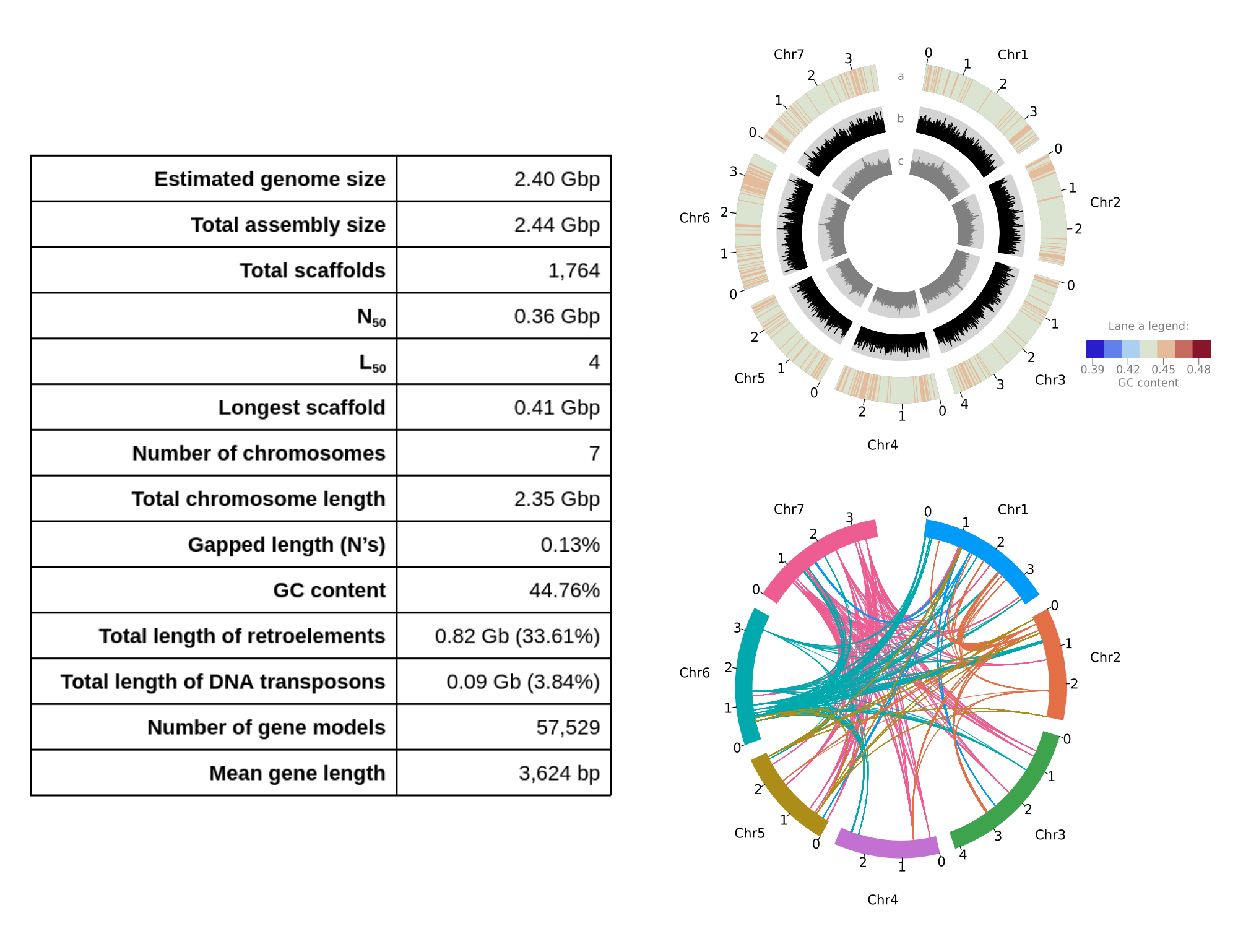
Lolium rigidum reference genome assembly
Download genome Genome browser
-
 Santiago Marin Bascunan, PhD candidate — genetic biocontrol of blackberry
 -
 Ana Krsteska, Research Assistant — WeedOmics
 -
 Lyn Coulston, Chairperson, Victorian Blackberry Taskforce
 -
 Jeff Paril, Agriculture Victoria
People involved
Collaborators